Daily Hair Care Routine: A Professional Stylist's Guide
Build an effective daily hair care routine with professional guidance. Covers shampooing, conditioning, drying, styling, and product selection for different hair types in Hong Kong's climate.
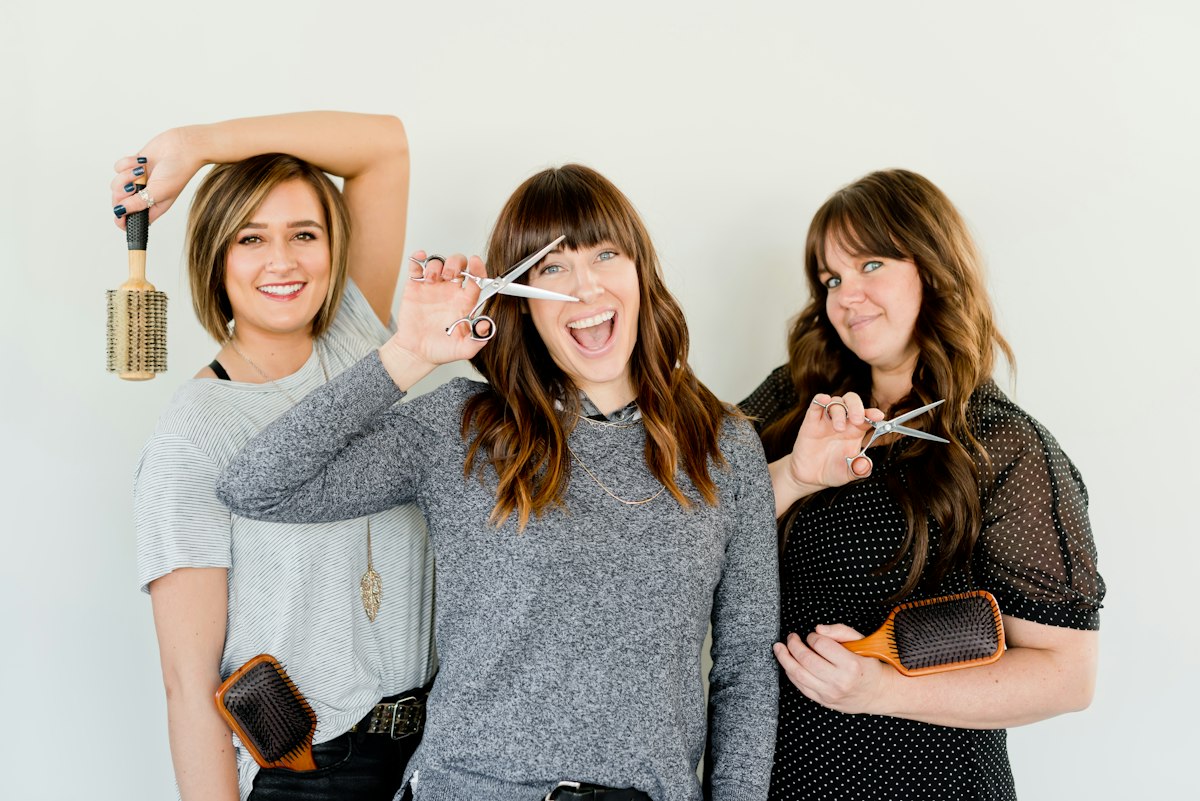
An effective daily hair care routine includes: gentle cleansing every 2–3 days (not daily), conditioner on mid-lengths and ends only, heat protection before any heat styling, and weekly deep conditioning. In Hong Kong's humid climate, lightweight products prevent heaviness while controlling frizz. Adjust frequency and products based on your hair type.
Your daily hair care routine has more impact on hair health than any salon treatment. The right habits maintain the results of professional services, while wrong habits can undo expensive colour and treatments within weeks. This guide provides a framework that professional stylists recommend to their clients.
Step 1: Cleansing (Shampooing)
The most common mistake is over-washing. Daily shampooing strips natural oils that protect and moisturise hair, leading to dryness, frizz, and faster colour fading. For most hair types, washing every 2–3 days is optimal. Oily scalps may need every other day; dry or curly hair can often stretch to every 3–4 days.
When you do shampoo: apply to the scalp only (not lengths), massage gently with fingertips (not nails), and rinse thoroughly. The lather that runs down your lengths during rinsing is sufficient to clean them without direct application.
Step 2: Conditioning
Conditioner should be applied to mid-lengths and ends only — never the scalp (which produces its own oils). Leave for 2–3 minutes before rinsing with cool water. For fine hair, use lightweight conditioners to avoid weighing hair down. For thick or coarse hair, richer formulations provide necessary moisture.
Step 3: Drying
How you dry your hair matters more than most people realise. Rubbing with a towel causes friction damage and frizz. Instead: gently squeeze excess water with a microfibre towel or old t-shirt, then either air-dry or blow-dry on medium heat with a nozzle attachment for control. Always use heat protection spray before blow-drying.
Step 4: Styling
Apply styling products to damp (not wet, not dry) hair for best distribution and hold. In Hong Kong's humidity, anti-humidity products and lightweight serums help control frizz without heaviness. Less is more — you can always add product, but removing excess is difficult.
Weekly Treatments
In addition to daily routine, incorporate weekly treatments: deep conditioning mask (10–20 minutes, once per week), scalp exfoliation (once per week for oily scalps, every 2 weeks for normal), and leave-in treatment or oil for ends (especially if you have colour or heat damage).
Product Selection by Hair Type
| Hair Type | Shampoo | Conditioner | Styling Product |
|---|---|---|---|
| Fine/Thin | Volumising, lightweight | Lightweight, avoid roots | Mousse or light spray |
| Thick/Coarse | Moisturising, smoothing | Rich, deep conditioning | Cream or butter |
| Oily Scalp | Clarifying (alternate with gentle) | Ends only, lightweight | Dry texture spray |
| Dry/Damaged | Moisture-rich, sulphate-free | Deep repair, leave-in | Oil or serum for ends |
| Coloured | Colour-safe, sulphate-free | Colour-protecting | UV protection spray |
| Curly/Permed | Sulphate-free, hydrating | Rich, curl-defining | Curl cream or gel |
Hong Kong Climate Considerations
Hong Kong's subtropical climate (high humidity, strong UV, air pollution) creates specific challenges: humidity causes frizz and flatness, UV fades colour and dries hair, and pollution buildup dulls hair and clogs scalp pores. Address these with: anti-humidity finishing products, UV protection spray (especially for coloured hair), and regular clarifying treatment to remove pollution buildup.
Common Mistakes to Avoid
- Washing daily with harsh shampoo (strips natural oils)
- Applying conditioner to scalp (causes oiliness and flatness)
- Rubbing hair with towel (causes friction damage and frizz)
- Using heat tools without protection (causes cumulative damage)
- Brushing wet hair aggressively (hair is weakest when wet)
- Using too much product (weighs hair down, attracts dirt)
- Ignoring scalp health (healthy hair starts with healthy scalp)
Frequently asked questions
How often should I wash my hair?
Every 2–3 days for most hair types. Oily scalps may need every other day; dry or curly hair can stretch to every 3–4 days. Over-washing is more common than under-washing.
Should I use hot or cold water?
Lukewarm for washing and rinsing, with a final cool rinse to close the cuticle. Hot water strips oils and opens the cuticle (causing frizz and colour fade). Cold water alone may not cleanse effectively.
Is air-drying better than blow-drying?
Both are fine when done correctly. Air-drying avoids heat damage but takes longer and can cause frizz in humidity. Blow-drying with heat protection on medium heat gives more control and faster results.
What products does DT HUB recommend?
Product recommendations are personalised based on your hair type, condition, and styling needs. Ask your stylist during your next visit for specific suggestions. Advice is available in English.
How do I deal with Hong Kong humidity?
Use anti-humidity finishing products, avoid heavy products that attract moisture, and consider styles that work with (rather than against) your hair's natural texture in humid conditions.
Is it bad to brush wet hair?
Wet hair is more elastic and vulnerable to breakage. Use a wide-tooth comb (not a brush) on wet hair, starting from ends and working up. Detangling spray helps reduce resistance.
How often should I get professional treatments?
Every 4–6 weeks for salon deep conditioning. More frequently if your hair is coloured, bleached, or heat-damaged. DT HUB offers professional treatments from $380.