Hair Loss Prevention: Professional Strategies That Work
Worried about hair loss? Learn about causes, prevention strategies, professional treatments, and lifestyle changes that help maintain hair density. Expert guidance from DT HUB.
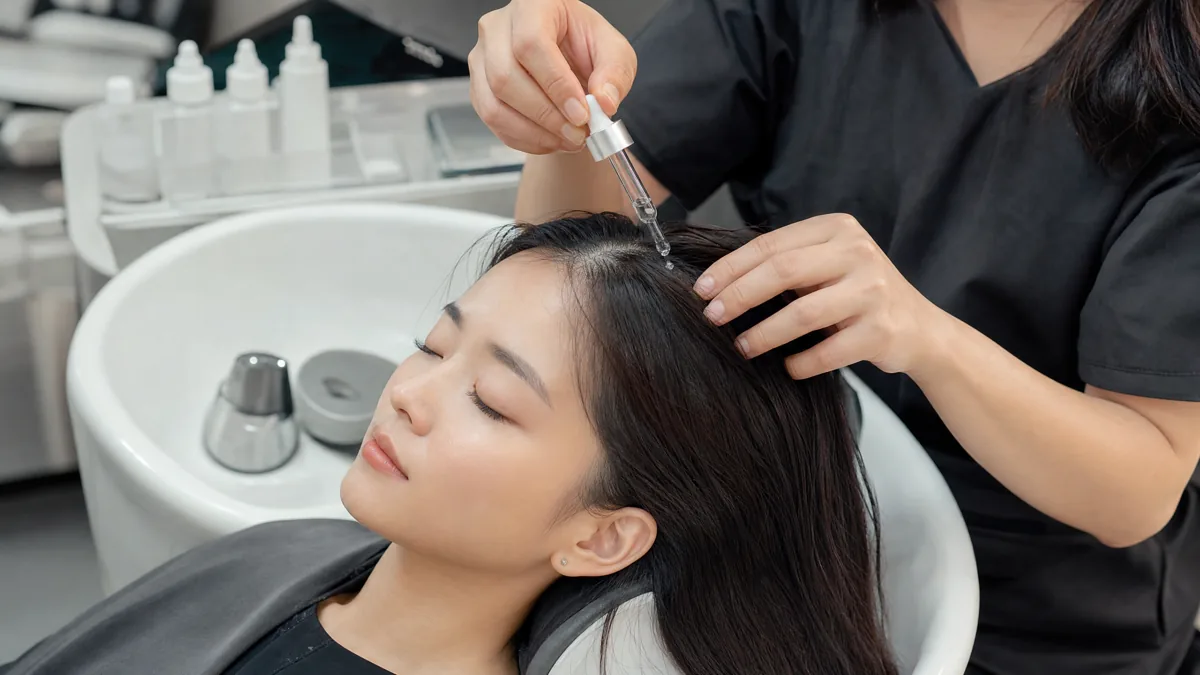
Hair loss prevention combines: maintaining scalp health (regular cleansing, professional treatments), reducing mechanical stress (gentle handling, avoiding tight styles), nutritional support (protein, iron, zinc, biotin), stress management, and early professional intervention when thinning is noticed. At DT HUB, scalp diagnosis can identify early thinning before it becomes visible, allowing proactive treatment.
Hair loss affects both men and women and has multiple potential causes — from genetics and hormones to stress and nutrition. While some causes cannot be prevented, many contributing factors are within your control. This guide focuses on actionable strategies that help maintain hair density and slow or prevent unnecessary loss.
Understanding Hair Loss: Types and Causes
| Type | Cause | Pattern | Reversible? |
|---|---|---|---|
| Androgenetic (pattern) | Genetic + hormonal | Gradual thinning at crown/temples | Manageable, not fully reversible |
| Telogen effluvium | Stress, illness, hormonal change | Diffuse shedding all over | Usually reversible (3–6 months) |
| Traction alopecia | Tight hairstyles, extensions | Thinning at hairline/tension areas | Reversible if caught early |
| Nutritional | Iron, protein, zinc deficiency | Diffuse thinning | Reversible with correction |
| Scalp condition-related | Folliculitis, seborrheic dermatitis | Patchy or diffuse | Reversible with treatment |
Early Warning Signs
- More hair than usual in your brush, shower drain, or pillow
- Visible scalp through hair that was previously dense
- Widening part line
- Receding hairline or temple thinning
- Hair feeling thinner or less voluminous overall
- Increased scalp visibility in photos
- Hair taking longer to grow or not reaching previous lengths
Prevention Strategy 1: Scalp Health
Healthy follicles produce healthy hair. Maintain scalp health through: regular cleansing (every 2–3 days), professional scalp treatments (every 2–4 weeks), avoiding product buildup that clogs follicles, and addressing any scalp conditions (oiliness, flaking, inflammation) promptly rather than ignoring them.
Prevention Strategy 2: Gentle Handling
Mechanical stress is an underestimated cause of hair loss. Reduce it by: using wide-tooth combs instead of brushes on wet hair, avoiding tight ponytails, braids, and buns (especially daily), being gentle when towel-drying (pat, don't rub), minimising heat styling, and choosing soft hair ties over elastic bands.
Prevention Strategy 3: Nutrition
Hair is primarily protein (keratin) and requires specific nutrients for healthy growth. Key nutrients include: protein (hair's building block), iron (carries oxygen to follicles), zinc (supports hair tissue growth and repair), biotin (supports keratin production), vitamin D (linked to follicle cycling), and omega-3 fatty acids (nourish the scalp).
Prevention Strategy 4: Stress Management
Chronic stress is a significant trigger for telogen effluvium (stress-related shedding). In Hong Kong's high-pressure work culture, this is particularly relevant. Stress management strategies — regular exercise, adequate sleep, mindfulness practices, and work-life boundaries — directly support hair health.
Professional Treatments for Hair Loss
When prevention alone is not sufficient, professional treatments can help: scalp treatments that improve follicle health and blood circulation, LED light therapy that stimulates follicle activity, topical treatments that support hair growth, and in more advanced cases, medical referral for pharmaceutical options. At DT HUB, the scalp care team can assess your situation and recommend appropriate interventions.
When to Seek Professional Help
Seek professional assessment if: you notice sudden or rapid increase in shedding, you can see scalp through previously dense areas, your hairline is receding, or you have other symptoms (scalp pain, patches, scarring). Early intervention is significantly more effective than waiting — the sooner thinning is addressed, the better the outcome.
Frequently asked questions
Is some hair loss normal?
Yes. Losing 50–100 hairs per day is normal (part of the natural growth cycle). Concern is warranted when shedding noticeably increases beyond your personal baseline or when thinning becomes visible.
Can scalp treatments prevent hair loss?
They can help by maintaining optimal follicle health, improving blood circulation, and removing buildup that restricts growth. They are most effective as part of a comprehensive approach (nutrition, gentle handling, stress management) rather than a standalone solution.
Does stress really cause hair loss?
Yes. Chronic stress can trigger telogen effluvium — pushing more follicles into the shedding phase simultaneously. The good news is that stress-related hair loss is usually reversible once the stress is managed.
What foods help prevent hair loss?
Protein-rich foods (eggs, fish, lean meat), iron sources (spinach, lentils, red meat), zinc (oysters, nuts, seeds), and omega-3 fatty acids (salmon, walnuts, flaxseed). A balanced diet generally provides sufficient nutrients for hair health.
Can DT HUB help with hair loss?
Yes. The scalp care team offers diagnosis (identifying the type and contributing factors), professional scalp treatments, and guidance on lifestyle factors. For cases requiring medical intervention, they can recommend appropriate referral.
How early can thinning be detected?
Professional scalp microscope diagnosis can identify miniaturised follicles and reduced density before thinning is visible to the naked eye. This early detection allows proactive intervention.
Is hair loss consultation available in English?
Yes. Full consultation including diagnosis, treatment recommendation, and lifestyle guidance is available in English at DT HUB.