Ion Straightening vs. Rebonding: Which Is Better for Your Hair?
Comparing ion straightening and traditional rebonding: differences in technique, results, damage level, maintenance, and which suits your hair type. Professional guidance from DT HUB.
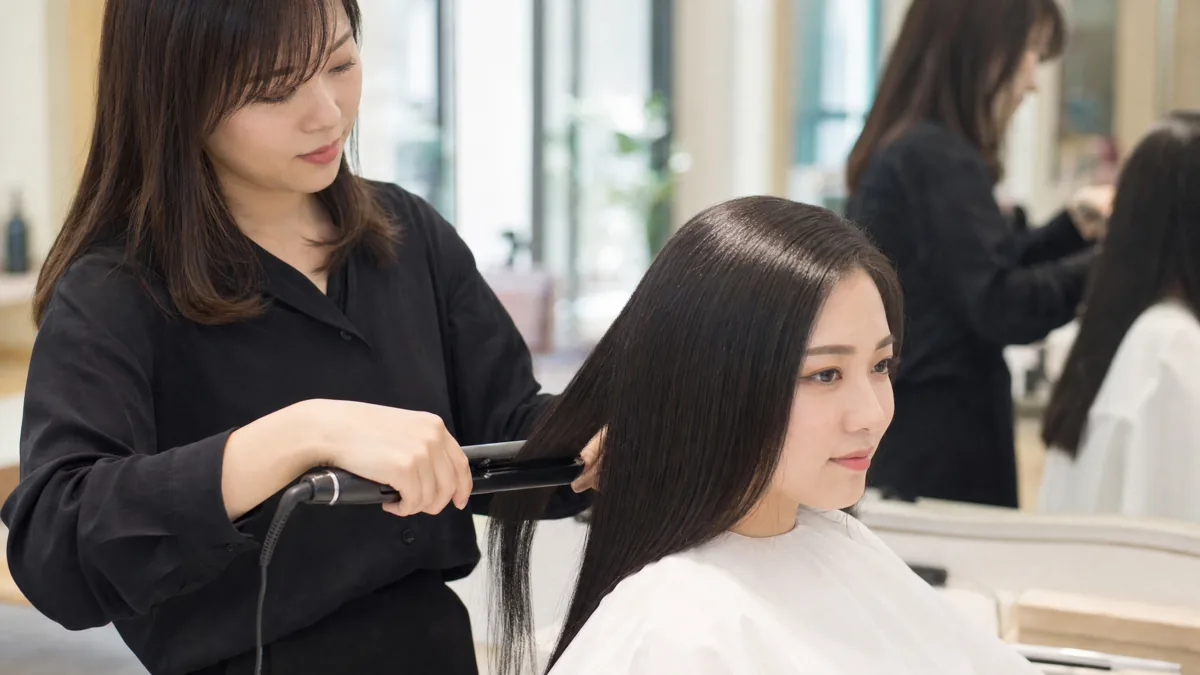
Ion straightening uses lower temperatures and gentler formulations than traditional rebonding, resulting in softer, more natural-looking straightness with less damage. Rebonding produces pin-straight results but with higher damage potential. Ion straightening suits those wanting natural movement; rebonding suits those wanting maximum straightness. Both last 4–6 months on new growth.
Hair straightening has evolved significantly from the harsh rebonding treatments of the past. Ion straightening represents a newer approach that prioritises hair health alongside results. This guide compares both techniques to help you make an informed decision.
What Is Ion Straightening?
Ion straightening (also called ionic straightening or soft straightening) uses negative ion technology combined with gentler chemical formulations and lower iron temperatures. The negative ions help seal the cuticle and lock in moisture during the straightening process, resulting in smoother, shinier hair with less damage than traditional methods.
What Is Rebonding?
Rebonding (also called Japanese straightening or thermal reconditioning) uses stronger chemical solutions and higher iron temperatures to permanently break and reform hair bonds into a straight configuration. It produces the most dramatic straightening results — pin-straight hair regardless of original texture — but with higher damage potential.
Detailed Comparison
| Factor | Ion Straightening | Rebonding |
|---|---|---|
| Chemical Strength | Gentler formulation | Stronger formulation |
| Iron Temperature | Lower (150–170°C) | Higher (180–230°C) |
| Result | Soft, natural straight with movement | Pin-straight, very flat |
| Damage Level | Low–Moderate | Moderate–High |
| Natural Look | More natural, retains some body | Very straight, can look flat |
| Processing Time | 2–3 hours | 3–5 hours |
| Duration | 4–6 months (new growth) | 4–6 months (new growth) |
| Price Range (HK) | $1,200–$2,000 | $800–$1,500 |
| Suitable For | Wavy, frizzy, or mildly curly hair | Very curly or extremely frizzy hair |
Which Should You Choose?
Choose ion straightening if: you want natural-looking straightness with some movement and body; your hair is wavy or mildly frizzy (not extremely curly); you prioritise hair health and want minimal damage; you prefer a softer, more natural result over pin-straight flatness; or you have previously damaged or coloured hair that cannot tolerate harsh chemicals.
Choose rebonding if: you have very curly or extremely frizzy hair that needs maximum straightening; you want pin-straight results with zero wave or movement; your hair is in good condition and can tolerate stronger chemicals; you prefer the most dramatic transformation possible.
Aftercare for Both
Both treatments require similar aftercare: wait 48–72 hours before washing, do not tie or clip hair during this period, use sulphate-free shampoo, avoid chlorinated water, and apply heat protection before any heat styling. Regular deep conditioning maintains hair health and extends results.
The DT HUB Approach
At DT HUB, ion straightening is the preferred method because it delivers excellent straightening results while preserving hair health and natural movement. The team assesses each client's hair condition, texture, and desired result before recommending the appropriate technique and formulation strength. For clients with extremely curly hair who specifically want pin-straight results, rebonding remains available.
The consultation includes: hair condition assessment, discussion of desired result (natural straight vs. pin-straight), explanation of the process and expected outcome, and honest advice about whether your hair can safely undergo the treatment. English communication is available throughout.
Frequently asked questions
Is ion straightening less damaging than rebonding?
Yes. Ion straightening uses gentler chemicals and lower temperatures, resulting in less structural damage. However, all chemical straightening involves some level of processing — it is less damaging, not damage-free.
How long does ion straightening last?
The straightened hair remains straight permanently — but new growth comes in at your natural texture. Typically, touch-ups on new growth are needed every 4–6 months.
Can I colour my hair after straightening?
Yes, but wait at least 2 weeks. Discuss with your stylist about the best sequence — some recommend colouring before straightening, others after, depending on your specific situation.
Will my hair look flat after ion straightening?
Unlike rebonding, ion straightening preserves some natural body and movement. The result is smooth and frizz-free but not unnaturally flat. This is one of its key advantages.
Can damaged hair be straightened?
Depends on the damage level. Mildly damaged hair can usually tolerate ion straightening (the gentler option). Severely damaged hair should be treated and restored before any chemical straightening. Your stylist will assess honestly.
How much does ion straightening cost at DT HUB?
Ion straightening at DT HUB starts from $1,200, varying by hair length and condition. The price includes pre-treatment conditioning and aftercare guidance.
Is consultation available in English?
Yes. Full consultation including hair assessment, technique recommendation, process explanation, and aftercare guidance is available in English at DT HUB.