Postpartum Hair Loss: Causes, Timeline, and Recovery
Experiencing hair loss after pregnancy? Understand why postpartum shedding happens, how long it lasts, and professional strategies to support recovery. Expert guidance from DT HUB.
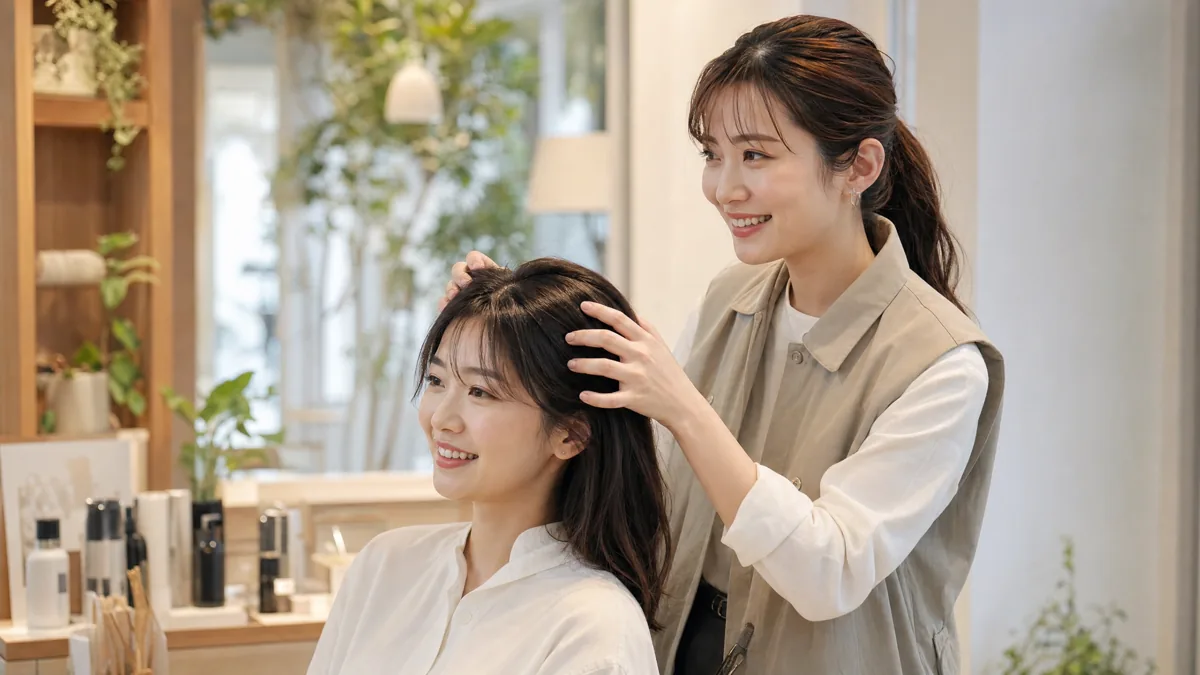
Postpartum hair loss (telogen effluvium) affects up to 50% of new mothers, typically starting 2–4 months after delivery and lasting 6–12 months. It is caused by hormonal shifts — not permanent damage. Recovery strategies include gentle scalp care, nutritional support (iron, protein, biotin), stress management, and professional scalp treatments. Hair typically returns to pre-pregnancy density within 12–18 months.
If you are a new mother experiencing alarming amounts of hair shedding, you are not alone — and it is almost certainly temporary. Postpartum hair loss is one of the most common (and most distressing) physical changes after pregnancy. Understanding the science behind it helps manage both the condition and the anxiety it causes.
Why Postpartum Hair Loss Happens
During pregnancy, elevated oestrogen levels extend the growth phase (anagen) of the hair cycle, meaning fewer hairs enter the shedding phase. This is why many women enjoy thicker, fuller hair during pregnancy — you are retaining hairs that would normally shed. After delivery, oestrogen levels drop rapidly, and all those 'retained' hairs enter the shedding phase simultaneously. The result is dramatic but temporary shedding.
Timeline
| Period | What Happens | What to Expect |
|---|---|---|
| Pregnancy | Elevated oestrogen retains hair | Thicker, fuller hair |
| 0–2 months postpartum | Hormones adjusting | Normal shedding or slight increase |
| 2–4 months postpartum | Shedding begins | Noticeable increase in hair fall |
| 4–6 months postpartum | Peak shedding | Most dramatic hair loss period |
| 6–12 months postpartum | Gradual recovery | Shedding slows, new growth appears |
| 12–18 months postpartum | Full recovery | Hair density returns to pre-pregnancy levels |
What You Can Do: Professional Support
While postpartum hair loss resolves on its own, professional support can accelerate recovery and minimise visible thinning during the shedding phase. Options include: scalp treatments that improve follicle health and blood circulation, gentle cleansing protocols that do not stress already-vulnerable hair, and styling advice that creates the appearance of fullness during the transition period.
What You Can Do: At Home
- Nutrition: Prioritise protein, iron-rich foods, and omega-3 fatty acids
- Supplements: Discuss with your doctor — biotin, iron, and vitamin D may help
- Gentle handling: Wide-tooth comb, loose styles, minimal heat
- Avoid tight hairstyles that add tension to already-stressed follicles
- Sulphate-free shampoo to minimise scalp irritation
- Patience: Remember this is temporary and hormonally driven
When to Be Concerned
Postpartum shedding that continues beyond 12 months, patchy loss (rather than diffuse thinning), or loss accompanied by other symptoms (fatigue, weight changes, mood changes) may indicate thyroid issues or other conditions that developed during/after pregnancy. In these cases, medical consultation is recommended.
Styling Tips During the Shedding Phase
While waiting for recovery: volumising products add the appearance of fullness, strategic layering (ask your stylist) creates movement that disguises thinning, root-lifting techniques at the crown help, and lighter hair colours can make scalp less visible through thinning areas. Your stylist can recommend specific approaches for your situation.
At DT HUB, the team understands the emotional impact of postpartum hair changes. The approach combines gentle scalp treatments to support recovery, honest timeline expectations, and styling solutions that help you feel confident during the transition. English communication is available.
Frequently asked questions
Is postpartum hair loss permanent?
No. Postpartum hair loss (telogen effluvium) is temporary. Hair typically returns to pre-pregnancy density within 12–18 months. The shedding represents hair that was retained during pregnancy, not new damage.
When does postpartum hair loss start?
Typically 2–4 months after delivery. Some women notice it earlier or later. Peak shedding usually occurs around 4–6 months postpartum.
Can breastfeeding affect hair loss?
Breastfeeding may slightly extend the shedding phase due to continued hormonal fluctuations, but it does not cause additional hair loss. The shedding would occur regardless of feeding method.
Should I take supplements?
Discuss with your doctor. Iron, biotin, and vitamin D are commonly recommended if levels are low (which is common postpartum). Do not self-prescribe high-dose supplements without medical guidance.
Can scalp treatments help?
Yes. Professional scalp treatments improve follicle health, blood circulation, and create optimal conditions for regrowth. They do not stop the hormonal shedding but support faster, healthier recovery.
Should I avoid colouring my hair during this time?
Gentle colour services are generally fine, but discuss with your stylist. Avoid harsh bleaching during peak shedding. Semi-permanent or gentle options are preferred during this period.
Does DT HUB offer postpartum hair care?
Yes. The team offers gentle scalp treatments, styling advice for thinning hair, and supportive guidance throughout the postpartum recovery period. English consultation available.