Common Scalp Problems & Solutions — Oily Scalp, Dandruff, Itching & Sensitivity
Learn about common scalp problems (oily scalp, dandruff, itching, sensitivity, folliculitis) and professional solutions at DT HUB Kwun Tong. Expert scalp care from $580. English communication available.
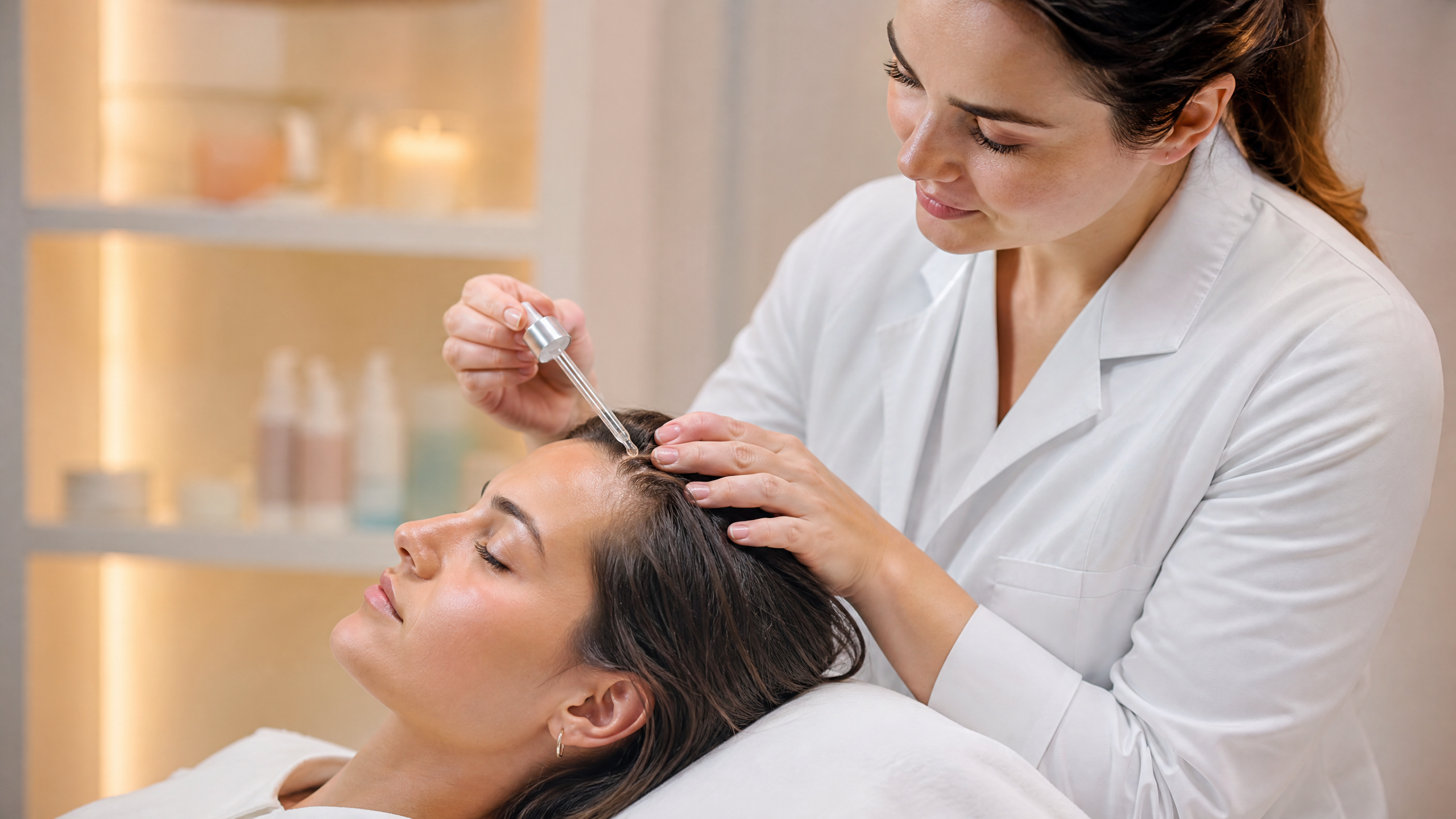
Common scalp problems include excess oiliness, dandruff/flaking, itching, sensitivity, and folliculitis. At DT HUB Kwun Tong, we diagnose the specific cause using micro-camera technology and provide targeted treatments: scalp detox for oiliness, hydration therapy for dryness, anti-inflammatory protocols for sensitivity, and deep cleansing for folliculitis. From $580. English communication available.
Scalp problems are remarkably common — studies suggest that over 50% of the global population experiences at least one scalp condition at any given time. In Hong Kong's humid, polluted urban environment, the prevalence is likely even higher. Yet many people suffer in silence, either unaware that professional solutions exist or embarrassed to seek help for what they perceive as a minor inconvenience.
The truth is that scalp problems are rarely 'minor'. An oily, congested scalp can lead to hair thinning over time. Persistent dandruff may indicate an underlying fungal imbalance. Chronic itching can damage follicles through repeated scratching. And sensitivity or inflammation, left untreated, can progress to more serious conditions. At DT HUB in Kwun Tong, we take scalp health seriously — because healthy hair starts with a healthy scalp.
This guide covers the most common scalp problems we encounter in our practice, their causes, and the professional solutions we offer. Whether you are dealing with an oily scalp that needs washing daily, stubborn dandruff that resists every shampoo you have tried, unexplained itching, or scalp sensitivity that limits your styling options, understanding the underlying cause is the first step toward resolution. English communication is available for all consultations.
Oily Scalp (Seborrhoea)
Excess sebum production caused by hormones, diet, over-washing, or humidity. Treated with scalp detox, oil-balancing serums, and adjusted washing routines.
An excessively oily scalp is one of the most common complaints we hear, particularly in Hong Kong's humid climate. Seborrhoea occurs when the sebaceous glands produce more oil than necessary, leaving hair looking greasy within hours of washing. Causes include hormonal factors (androgens stimulate sebum production), dietary influences (high-glycaemic foods and dairy can increase oiliness), paradoxical over-washing (stripping oils triggers rebound overproduction), and environmental humidity.
The solution is not simply washing more frequently — this often worsens the problem by disrupting the scalp's natural balance. Instead, we recommend a combination of professional scalp detox treatments (every 2–3 weeks initially) to deep-clean follicles and reset sebum production, combined with a home-care protocol using a gentle, sulphate-free cleanser and an oil-balancing scalp tonic. Over 4–6 weeks, most clients notice a significant reduction in oiliness and can extend the time between washes.
During your consultation, we also discuss dietary and lifestyle factors that may be contributing to excess oil production. Simple modifications — reducing refined sugar intake, increasing omega-3 fatty acids, managing stress levels — can make a meaningful difference when combined with professional treatment.
Dandruff and Flaking
Caused by fungal overgrowth (Malassezia), dry scalp, or product buildup. Treated with antifungal cleansing, exfoliation, and microbiome rebalancing.
Dandruff (seborrhoeic dermatitis) affects an estimated 50% of adults worldwide. It is primarily caused by an overgrowth of Malassezia yeast — a fungus naturally present on all scalps that feeds on sebum. When it proliferates excessively, it triggers an inflammatory response that accelerates skin cell turnover, producing the characteristic white or yellow flakes.
Not all flaking is dandruff, however. Dry scalp flaking (from dehydration, harsh products, or cold weather) produces fine, white, dry flakes — different from the oily, yellowish flakes of true seborrhoeic dermatitis. Product buildup can also mimic dandruff. Accurate diagnosis is essential for effective treatment, which is why we always begin with a micro-camera assessment.
Our treatment approach for dandruff combines professional antifungal cleansing to reduce Malassezia populations, gentle exfoliation to remove accumulated flakes, and scalp-balancing serums that create an environment less hospitable to fungal overgrowth. For home care, we recommend alternating between a medicated (zinc pyrithione or ketoconazole) shampoo and a gentle daily cleanser, plus a weekly scalp mask to maintain hydration.
| Type of Flaking | Appearance | Cause | Treatment Approach |
|---|---|---|---|
| Seborrhoeic dermatitis | Oily, yellow, large flakes | Malassezia fungal overgrowth | Antifungal + anti-inflammatory |
| Dry scalp | Fine, white, dry flakes | Dehydration, harsh products | Hydration + gentle cleansing |
| Product buildup | Waxy, sticky residue | Styling product accumulation | Clarifying detox |
| Contact dermatitis | Red, itchy patches with flaking | Allergic reaction to product | Identify allergen + soothing treatment |
Scalp Itching and Sensitivity
Caused by dryness, inflammation, allergic reactions, or nerve sensitivity. Treated with soothing protocols, barrier repair, and trigger identification.
Scalp itching (pruritus) has multiple potential causes, and effective treatment depends on identifying the correct one. Common causes include: dryness and dehydration (the scalp's moisture barrier is compromised), inflammatory conditions (seborrhoeic dermatitis, psoriasis), allergic contact dermatitis (reaction to a hair product ingredient), and neuropathic itch (nerve-related sensitivity often triggered by stress).
At DT HUB, we approach itchy scalps with a diagnostic-first methodology. The micro-camera reveals whether the itch is accompanied by visible inflammation (redness), dryness (flaking, cracking), or congestion (blocked pores). This visual evidence guides our treatment selection. For inflammatory itch, we use soothing, anti-inflammatory protocols. For dry itch, we focus on hydration and barrier repair. For allergic itch, we help identify the triggering ingredient.
Scalp sensitivity — a condition where the scalp reacts disproportionately to stimuli that should not cause discomfort (light touch, temperature changes, certain products) — is increasingly common. It is often linked to a compromised scalp barrier and can be exacerbated by over-processing (too-frequent colouring or perming), harsh products, or chronic stress. Our treatment focuses on rebuilding the scalp's protective barrier through gentle, nourishing protocols.
Folliculitis and Scalp Infections
Bacterial or fungal infection of hair follicles causing red bumps, pain, and potential scarring. Requires professional cleansing and may need medical referral.
Folliculitis is an infection of the hair follicles that appears as small red bumps, pustules, or painful spots on the scalp. It can be caused by bacteria (Staphylococcus aureus), fungi, or even ingrown hairs. Risk factors include excessive sweating, tight headwear, poor scalp hygiene, and compromised immunity. In mild cases, professional deep cleansing and antiseptic treatment can resolve the condition. In severe or recurrent cases, we recommend dermatological consultation for possible antibiotic or antifungal medication.
Prevention is key: regular scalp detox treatments keep follicles clear and reduce the risk of infection. We also advise clients prone to folliculitis to avoid heavy styling products that can trap bacteria, wash hair promptly after sweating, and avoid sharing hair tools. If you notice painful bumps, pus-filled spots, or spreading redness on your scalp, seek professional assessment promptly — early treatment prevents scarring and permanent follicle damage.
At DT HUB, we can provide supportive care for mild folliculitis (gentle cleansing, antiseptic application, and monitoring) while recommending medical referral for moderate-to-severe cases. We work alongside dermatologists to provide complementary scalp care during and after medical treatment.
Frequently asked questions
How do I know if my scalp problem needs professional treatment?
If over-the-counter products have not resolved your issue within 4 weeks, if symptoms are worsening, or if you experience pain, spreading redness, or hair loss alongside scalp symptoms, professional assessment is recommended.
Can scalp problems cause hair loss?
Yes. Chronic inflammation, severe folliculitis, and prolonged sebum congestion can all damage follicles and contribute to hair thinning over time. Early treatment of scalp problems helps protect hair density.
Is dandruff contagious?
No. Dandruff (seborrhoeic dermatitis) is caused by an overgrowth of yeast naturally present on everyone's scalp. It is not transmitted between people.
Why does my scalp itch more in winter?
Cold air and indoor heating reduce humidity, dehydrating the scalp. The compromised moisture barrier triggers itching. Switching to a more hydrating shampoo and using a scalp moisturiser can help.
Can hair colouring cause scalp problems?
Yes. Hair colour chemicals can cause allergic contact dermatitis, irritation, or sensitivity in some people. If you experience scalp reactions after colouring, inform your stylist — we offer sensitivity-tested and ammonia-free alternatives.
How long does it take to resolve a scalp problem?
It depends on the condition. Oiliness and mild dandruff often improve within 2–4 weeks of treatment. Chronic conditions may take 2–3 months of consistent care. We track progress with regular micro-camera assessments.
Should I see a dermatologist or a scalp therapist?
For mild-to-moderate concerns (oiliness, mild flaking, general maintenance), a scalp therapist is appropriate. For severe, painful, spreading, or medically complex conditions, we recommend a dermatologist and can provide a referral.