Complete Hair Colour Guide — Choosing the Right Colour for Your Skin Tone
Complete guide to choosing the right hair colour for your skin tone, undertone, and lifestyle. Understand colour theory, maintenance levels, and what to expect. Expert advice from DT HUB Kwun Tong. English communication available.
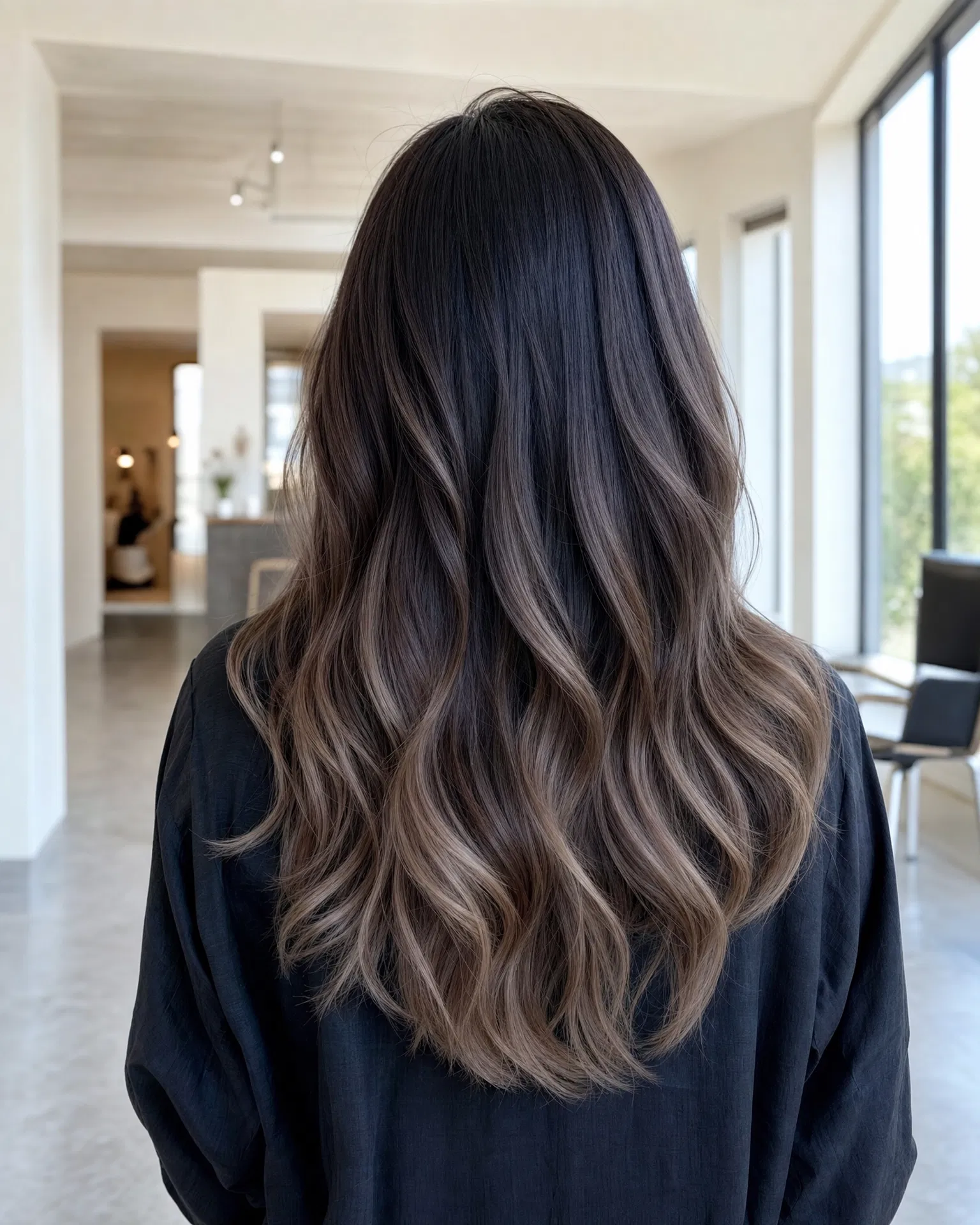
Choosing the right hair colour depends on your skin undertone (warm, cool, or neutral), your natural colouring, lifestyle, and maintenance preferences. Warm undertones suit golden, copper, and caramel shades. Cool undertones suit ash, platinum, and burgundy. Neutral undertones can wear most shades. At DT HUB Kwun Tong, our colour consultation (free) analyses your colouring and recommends the most flattering options. English communication available.
Choosing a hair colour is one of the most impactful beauty decisions you can make — the right shade enhances your complexion, brightens your features, and makes you look healthier and more vibrant. The wrong shade can wash you out, emphasise imperfections, and create a disconnect between your hair and your overall appearance. Understanding the principles of colour selection helps you make confident, flattering choices.
At DT HUB in Kwun Tong, we believe that great colour starts with great consultation. Before recommending any shade, we analyse your skin undertone, eye colour, natural hair colour, lifestyle, and maintenance preferences. This comprehensive approach ensures that the colour we create is not just beautiful in isolation, but beautiful on you — complementing your unique colouring and fitting into your life.
This guide covers the fundamentals of colour selection: understanding undertones, matching colour to your complexion, considering maintenance requirements, and knowing what questions to ask during your consultation. Whether you are considering your first colour change or looking to refine your current shade, this information will help you communicate effectively with your colourist and make choices you will love. English communication is available for all consultations.
Understanding Your Skin Undertone
Your undertone (warm, cool, or neutral) is the key factor in choosing flattering hair colour. It determines which colour families will complement vs. clash with your complexion.
Skin undertone is different from skin tone (how light or dark your skin is). Undertone refers to the subtle colour beneath the surface — warm (yellow, golden, peachy), cool (pink, red, blue), or neutral (a mix of both). Your undertone remains constant regardless of tanning, and it is the single most important factor in determining which hair colours will flatter you.
To identify your undertone, try these tests: Look at the veins on your inner wrist. If they appear green, you likely have warm undertones. If they appear blue or purple, you likely have cool undertones. If you see a mix, you are neutral. Another test: does gold or silver jewellery look better on you? Gold flatters warm undertones; silver flatters cool. If both look good, you are neutral.
For Asian skin specifically, undertones vary widely despite the common misconception that all Asian skin is 'warm.' Many East Asians have cool or neutral undertones (pink or olive-based), while others have distinctly warm (golden-yellow) undertones. Getting this right is crucial — a warm golden-brown on cool-undertoned skin will look brassy and unflattering, while the same shade on warm-undertoned skin looks gorgeous and natural.
| Undertone | Vein Colour | Best Metals | Flattering Hair Colours | Avoid |
|---|---|---|---|---|
| Warm | Green | Gold | Golden brown, caramel, copper, honey, warm red | Ash tones, cool platinum, blue-black |
| Cool | Blue/purple | Silver | Ash brown, platinum, burgundy, cool black, violet | Golden, orange-based, warm copper |
| Neutral | Mix of both | Both | Most shades — chocolate, beige, soft copper, natural brown | Extremely warm or extremely cool extremes |
Colour Families and What They Communicate
Warm colours (gold, copper, red) appear friendly and approachable. Cool colours (ash, silver, violet) appear sophisticated and edgy. Natural colours (brown, black) appear professional and classic.
Beyond technical flattery, hair colour communicates personality and intention. Understanding these associations helps you choose a colour that aligns with the image you want to project. Warm colours (golden blonde, copper, caramel, warm brown) read as friendly, approachable, youthful, and natural. They catch light beautifully and tend to make people look healthier and more vibrant.
Cool colours (ash blonde, silver, platinum, cool brown, blue-black) read as sophisticated, modern, edgy, and fashion-forward. They create a striking, polished appearance that stands out in professional settings. Natural colours (your natural shade or close to it, rich browns, soft blacks) read as professional, classic, and low-maintenance. They are the safest choice for conservative work environments.
Fashion colours (pink, purple, blue, green) read as creative, bold, and individualistic. They make a strong personal statement and are increasingly accepted in creative industries. At DT HUB, we help you navigate these associations to find a colour that is both technically flattering and aligned with how you want to present yourself to the world.
Maintenance Considerations
Lighter colours and fashion shades require more maintenance (every 4–6 weeks). Darker colours and balayage are lower maintenance (every 8–12 weeks). Consider your budget and schedule.
One of the most important factors in colour selection is maintenance reality. The most beautiful colour in the world is not right for you if you cannot maintain it. Before choosing a shade, honestly assess: How often can you visit the salon? What is your colour budget? How much regrowth or fading can you tolerate before it bothers you?
High-maintenance colours include: platinum blonde (requires root touch-ups every 3–4 weeks and toning every 4–6 weeks), vivid fashion colours (fade significantly within 2–4 weeks), and any colour that is dramatically different from your natural shade (creates obvious regrowth). Low-maintenance colours include: balayage and ombré (regrowth blends naturally, refresh every 8–12 weeks), colours close to your natural shade (regrowth is subtle), and demi-permanent colour (fades gradually with no harsh line).
At DT HUB, we always discuss maintenance requirements before committing to a colour. We would rather recommend a slightly less dramatic shade that you can maintain beautifully than a stunning shade that looks neglected within weeks because you cannot keep up with the upkeep schedule. We create a maintenance plan as part of your colour consultation.
Your Colour Consultation at DT HUB
Free 15-minute consultation: skin tone analysis, colour history discussion, lifestyle assessment, maintenance planning, and shade recommendation with swatches.
Our colour consultation is complimentary and takes approximately 15 minutes. We begin by analysing your skin undertone under natural light (artificial lighting can distort colour perception). We examine your natural hair colour, eye colour, and overall colouring to identify your personal colour palette — the range of shades that will harmonise with your natural features.
We then discuss your colour history (what you have tried before, what you liked and disliked), your lifestyle and work environment (any restrictions on colour?), your maintenance preferences (how often can you visit?), and your inspiration (reference images welcome). Based on all this information, we recommend 2–3 shade options, showing you swatches and explaining why each would work for your colouring.
We also discuss the technical process: how many sessions are needed, what level of lightening (if any) is required, expected processing time, and aftercare requirements. By the end of consultation, you have a clear understanding of what to expect — no surprises. If you want time to think before committing, that is perfectly fine. The consultation creates no obligation to proceed immediately.
Frequently asked questions
How do I know which colour suits me?
Book a free colour consultation. We analyse your skin undertone, features, and lifestyle to recommend the most flattering shades. Bring reference images of colours you like — even if the exact shade is not right for you, it helps us understand your aesthetic preferences.
Will the colour look the same on me as in the photo?
Not necessarily. Colour results depend on your starting shade, hair condition, and skin tone. A shade that looks one way on a model may look different on you. We manage expectations during consultation and show you realistic expected results.
Can I go lighter without bleaching?
Permanent colour can lift 1–2 levels without bleach (e.g., dark brown to medium brown). For more dramatic lightening, bleaching is necessary. We discuss the process and commitment involved during consultation.
How do I maintain my colour between appointments?
Use colour-safe (sulphate-free) shampoo, wash less frequently, use cool water for rinsing, apply UV protection, and avoid chlorine. These simple steps significantly extend colour vibrancy.
What if I hate the colour?
If you are unhappy with the result, contact us within 7 days. We offer complimentary colour adjustments. For dramatic changes (going much darker or lighter), we can modify the shade. Complete colour removal is possible but may require multiple sessions.
Is hair colour damaging?
All permanent colour involves some chemical processing. However, modern formulations with bond protection minimise damage significantly. Demi-permanent and gloss options cause minimal to zero damage. We recommend the gentlest option that achieves your desired result.
How often should I colour my hair?
It depends on the technique. Root touch-ups: every 4–6 weeks. Balayage refresh: every 8–12 weeks. Gloss/toner: every 4–6 weeks. Full colour: every 6–8 weeks. We create a personalised maintenance schedule during consultation.