Hair Design & Creative Styling in Hong Kong — Bespoke Cuts & Artistic Styling
Bespoke hair design at DT HUB Kwun Tong combines creative cutting, artistic styling, and personalised consultation to create unique looks tailored to your features and lifestyle. From $480. English communication available.
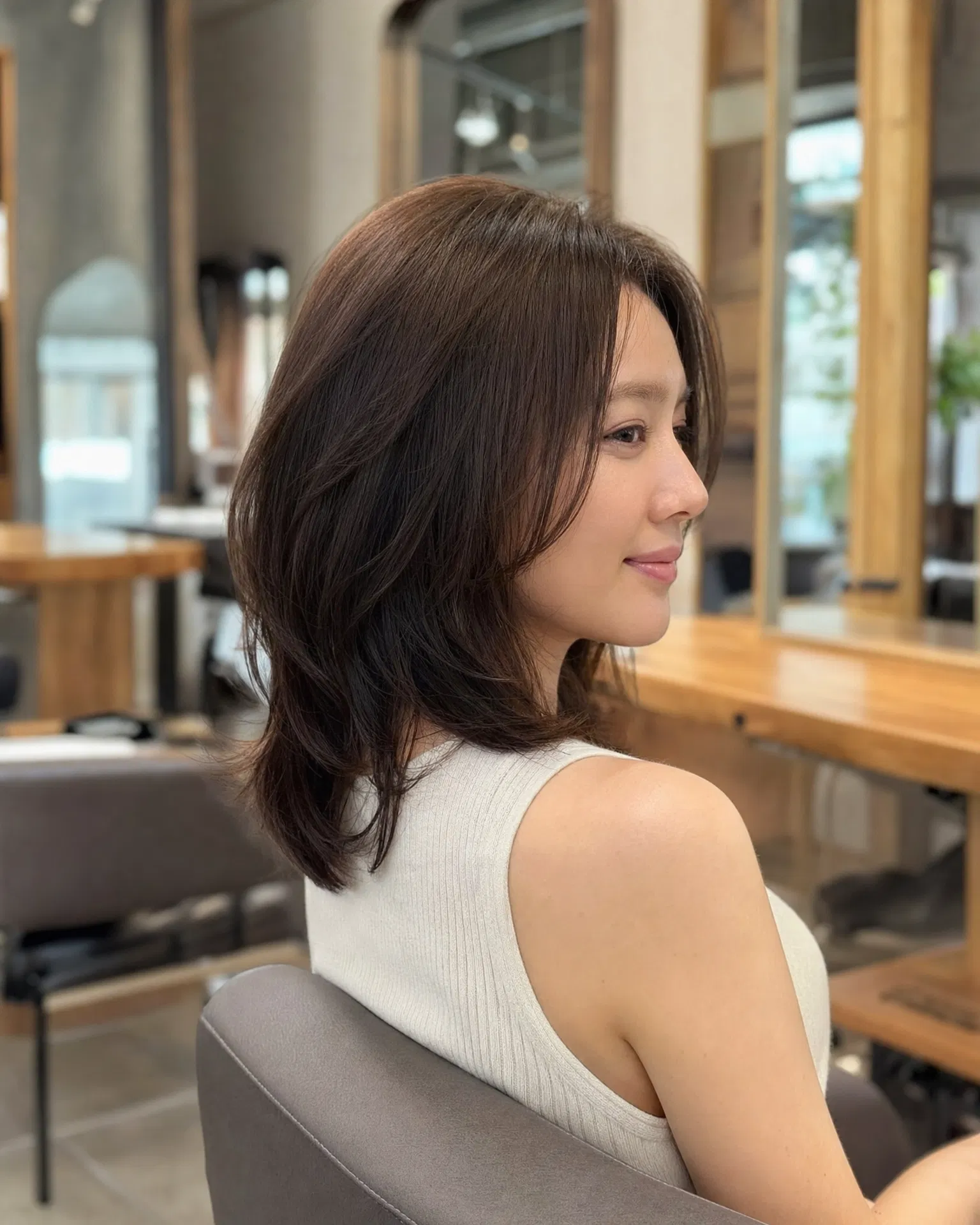
Hair design at DT HUB Kwun Tong (from HK$480) goes beyond a standard haircut to create a bespoke look tailored to your face shape, features, lifestyle, and personal style. Our designers combine technical cutting skills with artistic vision to create hairstyles that enhance your natural beauty and express your personality. English communication available.
There is a fundamental difference between getting a haircut and getting your hair designed. A haircut follows instructions — 'take two inches off, add some layers.' Hair design is a creative collaboration between stylist and client that considers the whole picture: your face shape, features, colouring, lifestyle, personal style, maintenance preferences, and the image you want to project to the world.
At DT HUB in Kwun Tong, our senior designers approach every client as a unique canvas. We do not apply the same template to everyone — we observe, analyse, discuss, and create. The result is a hairstyle that is genuinely yours: one that enhances your best features, works with (not against) your natural hair characteristics, and fits seamlessly into your daily life.
This page explains our approach to hair design: how we analyse your features, how we collaborate with you to develop a vision, and how we execute that vision with precision cutting and styling techniques. Whether you are looking for a dramatic transformation or a refined evolution of your current style, our design process ensures a result that you love and that others notice. English communication is available throughout your consultation and appointment.
Our Design Philosophy
We design hair by analysing face shape, features, proportions, colouring, lifestyle, and personal style — then creating a bespoke cut that enhances and harmonises all these elements.
Our design philosophy is rooted in the principle that great hair design is invisible — it should look so natural and flattering that people notice you, not your haircut. The best-designed hairstyles enhance your existing beauty rather than imposing an arbitrary style that fights against your natural characteristics. This requires understanding not just hair, but faces, proportions, and personal aesthetics.
We begin every design consultation by observing: your face shape (oval, round, square, heart, long), your facial features (forehead height, cheekbone prominence, jaw definition, nose shape), your neck length and shoulder width, your natural hair characteristics (texture, density, growth patterns, cowlicks), and your personal style (clothing, accessories, overall aesthetic). All of these inform our design decisions.
We then discuss: your lifestyle (active vs. sedentary, formal vs. casual work environment), your maintenance preferences (how much time you want to spend styling daily), any features you want to emphasise or minimise, and your openness to change. Armed with this comprehensive understanding, we propose a design direction — often with reference images and explanations of why specific elements will work for you.
Face Shape Analysis & Design Principles
Each face shape has ideal proportions to aim for. Hair design creates the illusion of balance by adding or reducing visual weight in strategic areas.
Face shape analysis is the foundation of flattering hair design. The 'ideal' face shape is considered to be oval (slightly longer than wide, with balanced proportions). Our design goal is to create the illusion of oval proportions regardless of your actual face shape — using hair volume, length, and framing to add or reduce visual width and length where needed.
For round faces, we create vertical lines and height to elongate: longer layers, side parts, and volume at the crown. For square faces, we soften angular jawlines with layers, waves, and side-swept elements. For long faces, we add width with side volume, bangs, and chin-length layers. For heart-shaped faces, we balance a wider forehead with volume at the jaw level. These are starting principles — not rigid rules — adapted to each individual.
Beyond face shape, we consider specific features. A prominent forehead may benefit from bangs or a forward-falling fringe. Strong cheekbones can be highlighted with face-framing layers. A short neck appears longer with an upswept or shorter back. Large ears are concealed with hair that covers them. Every design decision serves a purpose — nothing is arbitrary.
| Face Shape | Design Goal | Flattering Elements | Avoid |
|---|---|---|---|
| Oval | Maintain balance | Most styles work | Excessive volume on sides |
| Round | Elongate, add angles | Height, layers, side part | Chin-length bobs, centre parts |
| Square | Soften angles | Waves, layers, side-swept | Blunt bobs at jaw, geometric cuts |
| Heart | Balance forehead/jaw | Jaw-level volume, side bangs | Top-heavy styles, slicked back |
| Long/Oblong | Add width, reduce length | Side volume, bangs, layers | Long straight hair, centre parts |
Creative Cutting Techniques
Point cutting, slide cutting, razor cutting, texturising, and disconnection — advanced techniques that create movement, texture, and personalised shape.
Beyond basic sectioning and length removal, our designers employ advanced cutting techniques that create specific effects. Point cutting (cutting into the ends at an angle) removes bulk and creates soft, feathered ends that blend naturally. Slide cutting (sliding the scissors along the hair shaft) creates graduated texture and removes weight without shortening length. Razor cutting creates maximum movement and a lived-in, effortless finish.
Texturising techniques thin out bulky areas, create internal movement, and allow the hair to fall naturally rather than sitting heavily. Disconnection (creating distinct lengths within the same cut) produces modern, editorial-inspired shapes with intentional contrast. Channel cutting (removing narrow channels of hair) creates extreme lightness and movement in thick hair.
The choice of technique depends on your hair type, desired result, and the overall design concept. Thick, coarse hair benefits from extensive texturising and slide cutting. Fine hair requires more conservative techniques that preserve density. Curly hair needs specialised dry-cutting approaches that account for curl contraction. Our designers select and combine techniques based on what your specific hair needs.
The Design Consultation
15–20 minute in-depth discussion covering your goals, lifestyle, features, and preferences — resulting in a clear design plan before any cutting begins.
Every hair design appointment at DT HUB begins with a thorough consultation — typically 15–20 minutes before any cutting begins. This is not a formality; it is the most important part of the process. During consultation, your designer observes your features, discusses your goals, assesses your hair's characteristics, and develops a design plan that addresses all considerations.
We encourage clients to bring reference images (from magazines, Instagram, Pinterest) showing styles they like — even if the exact style is not achievable on their hair, it communicates aesthetic preferences. We also ask about styles you have had in the past: what you loved, what you hated, and what was impractical. This history helps us avoid repeating mistakes and build on what has worked.
By the end of consultation, both you and your designer should have a clear, shared vision of the intended result. We explain our design decisions — why we are recommending a particular length, parting, or technique — so you understand the reasoning and can provide informed feedback. This collaborative approach ensures you leave feeling confident and excited about your new look.
Frequently asked questions
How is a design cut different from a regular haircut?
A regular haircut follows instructions (trim, layers, etc.). A design cut begins with analysis of your features, lifestyle, and goals, then creates a bespoke shape using advanced techniques. The result is a style specifically designed for you, not a generic template.
Do I need to know what I want before coming in?
No! Many clients come in saying 'I want something different but I don't know what.' That is exactly what the design consultation is for. We analyse your features and propose options. Reference images help but are not required.
How long does a design cut appointment take?
Approximately 60–90 minutes including consultation (15–20 min), shampoo, cutting, and styling. First-time clients may take slightly longer as we establish your preferences and hair characteristics.
Can you work with my natural texture?
Absolutely. In fact, we prefer to. Designing a cut that works with your natural texture (rather than requiring daily heat styling to look good) is more practical and healthier for your hair long-term.
What if I don't like the result?
Because we discuss and agree on the design before cutting, surprises are rare. However, if you are not satisfied, we offer complimentary adjustments within 7 days of your appointment.
How often should I get a design cut?
It depends on your style and hair growth rate. Short styles need refreshing every 4–6 weeks. Medium-to-long styles can go 6–10 weeks between cuts. We advise on the ideal schedule for your specific design.
Do you offer design consultations without cutting?
Yes. If you want professional advice on what styles would suit you (before committing to a cut), we offer standalone design consultations at no charge. This is particularly useful if you are considering a major change.