Henna Hair Colour in Hong Kong — Natural, Plant-Based Hair Dye
Professional henna hair colour at DT HUB Kwun Tong provides natural, chemical-free colouring using pure plant-based dyes. Gentle grey coverage and conditioning. From $780. English communication available.
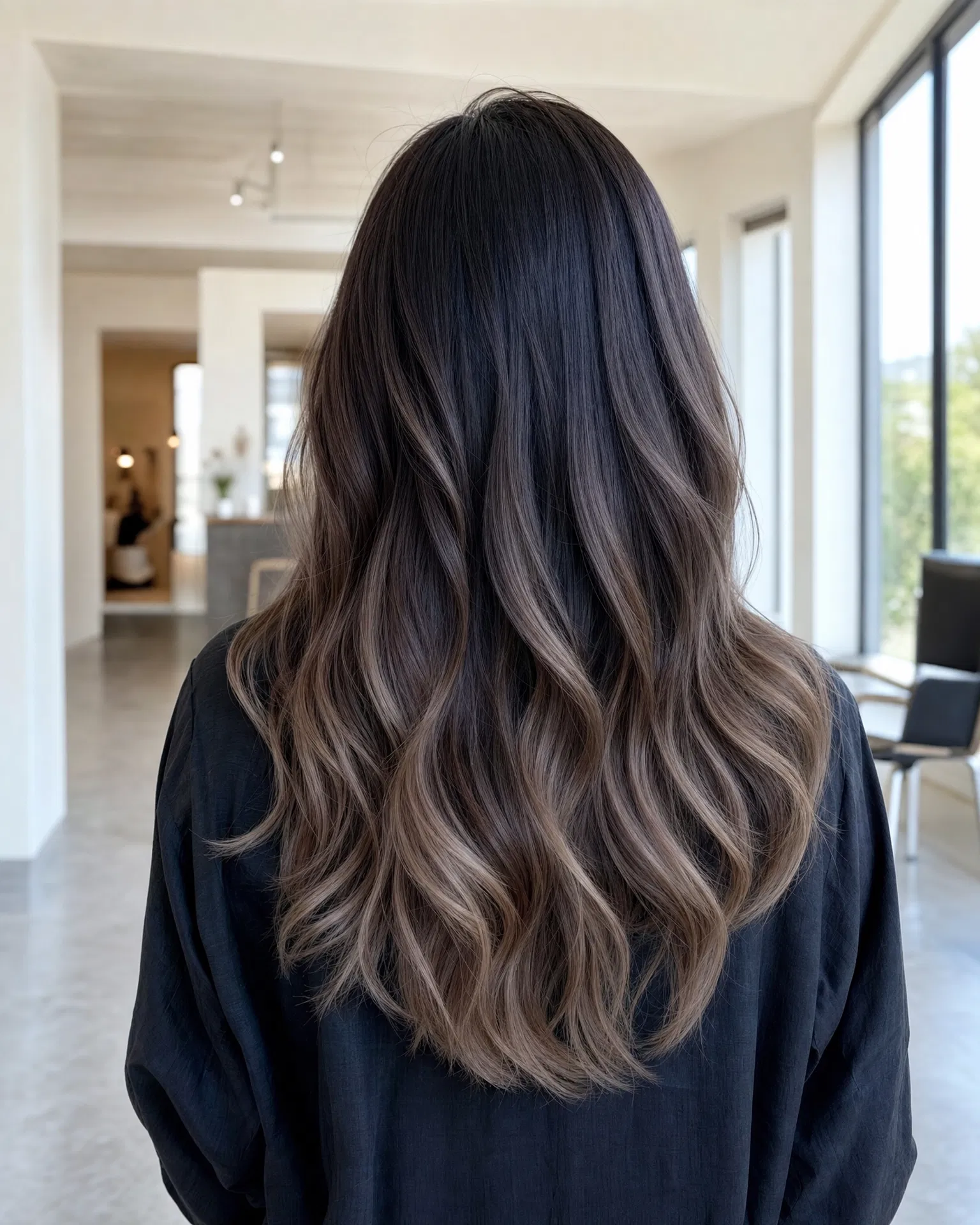
Henna hair colour at DT HUB Kwun Tong (from HK$780) uses pure plant-based dyes to colour hair naturally without chemicals. Henna coats the hair shaft (rather than penetrating it), adding colour while conditioning and strengthening. Ideal for clients seeking chemical-free grey coverage or who are sensitive to conventional dyes. English communication available.
For clients who prefer natural alternatives to chemical hair dye — whether due to sensitivity, health concerns, pregnancy, or personal philosophy — henna offers a time-tested, plant-based colouring option. Used for thousands of years across cultures from India to North Africa, henna (Lawsonia inermis) is a flowering plant whose leaves contain lawsone, a natural dye molecule that bonds to the keratin in hair to produce colour.
At DT HUB in Kwun Tong, we offer professional henna colouring using high-quality, pure henna powder (no metallic salts, no chemical additives). Our henna service provides natural-looking colour with the added benefits of conditioning, strengthening, and adding shine to the hair. It is particularly popular among clients who are pregnant or breastfeeding, those with scalp sensitivity or allergies to conventional dyes, and anyone who prefers a more natural approach to beauty.
This guide explains how henna works, what colours are achievable, its benefits and limitations compared to chemical colour, and what to expect during a professional henna appointment. We believe in informed choice — henna is wonderful for the right candidate, but it is not for everyone. Understanding its characteristics helps you decide if it is right for you. English communication is available throughout your appointment.
How Henna Colours Hair
Henna's lawsone molecule bonds to hair keratin, coating the shaft with translucent colour. It does not penetrate or damage the cortex like chemical dyes.
Henna works fundamentally differently from chemical hair colour. Conventional dyes use ammonia to open the cuticle and hydrogen peroxide to remove natural pigment, then deposit artificial colour molecules inside the cortex. This process is effective but inherently damaging — it alters the hair's internal structure. Henna, by contrast, works by coating the outside of the hair shaft. The lawsone molecule bonds to keratin proteins on the cuticle surface, building up a layer of translucent colour.
Because henna coats rather than penetrates, it does not damage the hair structure. In fact, the coating effect actually strengthens the hair shaft, fills in rough cuticle surfaces (adding shine), and provides a protective layer against environmental damage. Many clients notice that their hair feels thicker, stronger, and shinier after henna application — benefits that chemical colour cannot provide.
The colour produced by pure henna is always in the red-orange spectrum (the natural colour of lawsone). On dark hair, this appears as a warm, reddish-brown sheen visible primarily in sunlight. On grey or light hair, it produces a more visible copper-to-auburn tone. For different colour results (brown, black), henna is combined with other plant dyes such as indigo (for brown/black) or cassia (for golden tones).
Achievable Colours with Henna
Pure henna: red-orange to auburn. Henna + indigo: brown to black. Henna + cassia: golden. Colour depends on your natural base and grey percentage.
The colour range achievable with plant dyes is more limited than chemical colour, but within that range, beautiful, natural-looking results are possible. Pure henna on grey hair produces copper to auburn tones. On dark hair, it adds a warm reddish sheen. Combined with indigo (Indigofera tinctoria), henna can produce medium brown to near-black shades. Combined with cassia (Cassia obovata), it produces golden-blonde tones on light or grey hair.
It is important to understand that henna cannot lighten hair — it can only deposit colour on top of your existing shade. This means you cannot go from dark brown to blonde with henna. You can, however, add warmth, cover grey, and enrich your natural colour. The translucent nature of henna means it creates multi-tonal, dimensional colour rather than the flat, uniform coverage of chemical dyes.
Colour results also depend on your starting shade and the percentage of grey hair. On 100% grey hair, henna produces the most vivid colour. On hair with mixed grey and dark, it creates a natural-looking blend where grey hairs become warm highlights within the darker base. We always perform a strand test to show you the expected result before full application.
| Formula | Result on Grey Hair | Result on Dark Hair | Processing Time |
|---|---|---|---|
| Pure henna | Copper to auburn | Warm reddish sheen | 2–3 hours |
| Henna + indigo (2-step) | Medium to dark brown | Enriched dark brown | 2 + 1 hours |
| Henna + indigo (mixed) | Chocolate brown | Subtle darkening | 2–3 hours |
| Henna + cassia | Golden blonde | Very subtle warmth | 2–3 hours |
| Indigo only (over henna base) | Dark brown to black | Near-black | 1–2 hours |
Benefits and Limitations of Henna
Benefits: zero damage, conditioning, strengthening, safe during pregnancy, no allergic reactions. Limitations: limited colour range, cannot lighten, long processing time, difficult to remove.
Henna's benefits are significant for the right candidate. Zero damage: henna strengthens rather than weakens hair. Conditioning: the coating effect adds shine and smoothness. Safe during pregnancy and breastfeeding: no chemicals are absorbed through the scalp. Hypoallergenic: pure henna very rarely causes allergic reactions (unlike PPD in chemical dyes). Cumulative improvement: each application builds on the last, with colour becoming richer and hair becoming stronger over time.
However, henna has real limitations that must be understood. Limited colour range: you cannot achieve platinum blonde, ash tones, or vivid fashion colours with henna. Cannot lighten: henna only adds colour, never removes it. Long processing time: 2–3 hours minimum (compared to 30–45 minutes for chemical colour). Difficult to remove: henna bonds permanently to hair and cannot be stripped with colour remover. If you want to switch to chemical colour later, you may need to grow out the hennaed hair.
The most critical limitation is henna's interaction with chemical services. Henna-treated hair can react unpredictably with chemical colour, bleach, or perm solutions — potentially producing unwanted colours or damage. If you think you may want chemical colour services in the future, discuss this with us before starting henna. Once committed to henna, it is best to continue with henna rather than switching back and forth.
Our Professional Henna Service
Strand test → custom formula mixing → sectioned application → 2–3 hour processing with heat cap → rinse → conditioning → style.
Our professional henna service differs from DIY home application in several important ways. First, we use only certified pure henna and plant dyes — no metallic salts, no chemical additives, no 'compound henna' that contains hidden chemicals. We source our henna from reputable suppliers who provide batch-tested, body-art-quality powder.
Second, we customise the formula for your specific hair and desired result. This may involve adjusting the henna-to-indigo ratio, adding conditioning ingredients (coconut milk, honey, essential oils), or pre-treating grey-resistant hairs for better uptake. Third, our application technique ensures even, thorough coverage — particularly important for grey coverage, where missed spots are very visible.
The appointment takes approximately 3–4 hours total (including mixing, application, processing, and rinse). We provide comfortable seating, refreshments, and entertainment during the processing time. Many clients use the time to read, work on their laptop, or simply relax. The result is worth the wait: rich, natural-looking colour with incredible shine and improved hair condition.
Frequently asked questions
Is henna safe during pregnancy?
Yes. Pure, body-art-quality henna (without chemical additives) is considered safe during pregnancy and breastfeeding. No chemicals are absorbed through the scalp. However, always inform us if you are pregnant so we can confirm the formulation is appropriate.
Will henna cover my grey hair?
Yes, but the grey hairs will be a different tone than your dark hairs (warmer/brighter). This creates a natural-looking, multi-tonal blend rather than uniform coverage. Most clients find this more natural-looking than chemical grey coverage.
How long does henna colour last?
Henna is permanent — it does not wash out. However, it gradually fades slightly with washing and sun exposure over 4–6 weeks, at which point a refresh application restores vibrancy. The colour builds with each application.
Can I perm my hair if I use henna?
Henna-treated hair can sometimes react unpredictably with perm solutions. We recommend a strand test before any chemical service on hennaed hair. In many cases, perming is possible but requires adjusted formulation.
Why does henna take so long to process?
Henna's dye molecule (lawsone) bonds to keratin gradually through a natural oxidation process. Unlike chemical dyes that force colour into the cortex quickly, henna needs time to build up colour on the surface. Longer processing = richer colour.
Can I go back to chemical colour after using henna?
It is possible but requires caution. Henna can react with chemical colour (particularly bleach) unpredictably. We recommend a thorough strand test before any chemical service. In some cases, you may need to grow out hennaed hair before switching.
Is 'black henna' safe?
No. 'Black henna' typically contains para-phenylenediamine (PPD), a chemical that can cause severe allergic reactions. We never use 'black henna.' For dark brown/black results, we use a safe two-step process: henna first, then pure indigo.