Keratin & Oil Treatment in Hong Kong — Deep Repair for Damaged Hair
Professional keratin and oil treatments at DT HUB Kwun Tong repair damaged, dry, and frizzy hair. Restore smoothness, shine, and strength. From $680. English communication available.
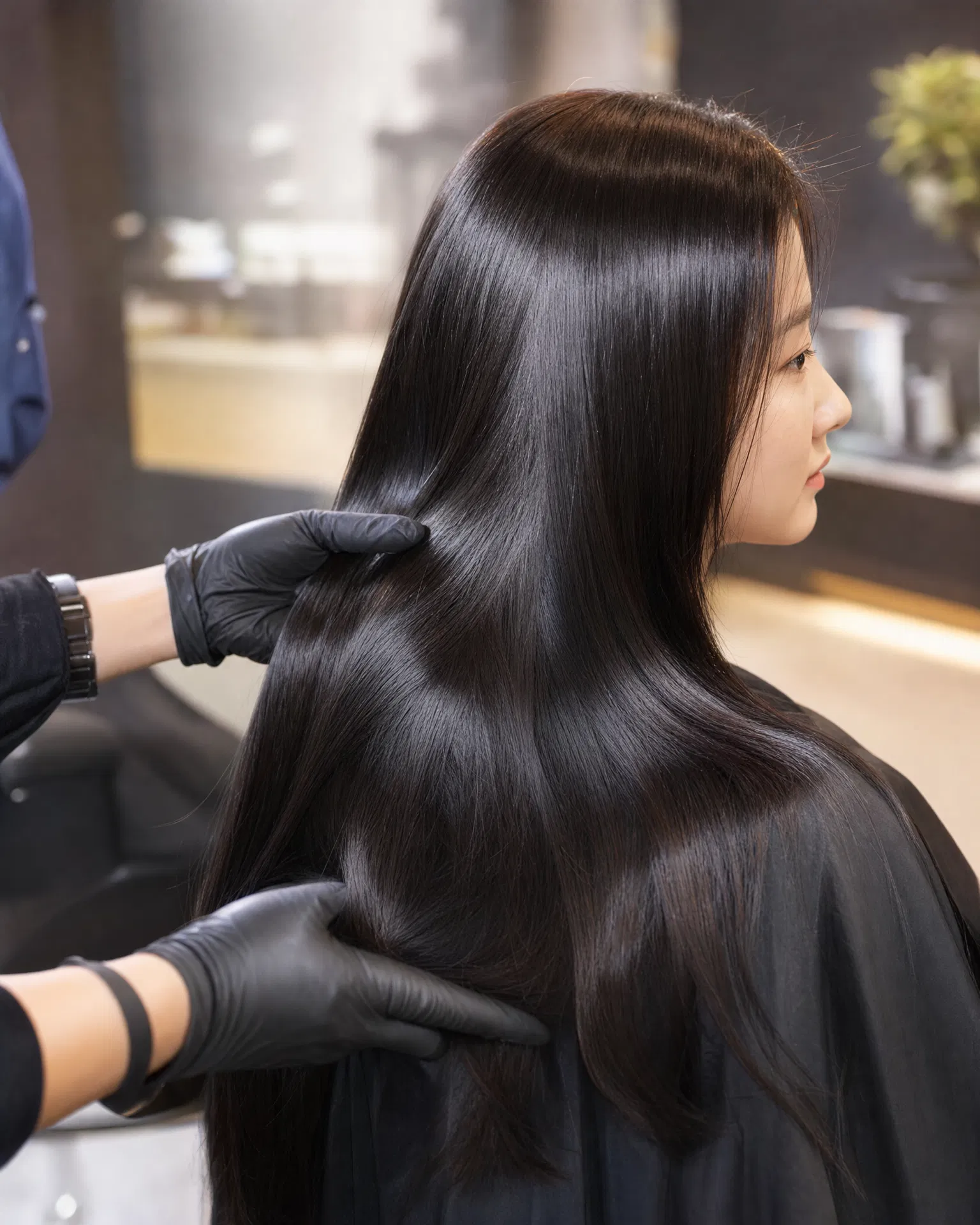
Keratin and oil treatments at DT HUB Kwun Tong (from HK$680) repair damaged, dry, and frizzy hair by replenishing lost proteins and moisture. Keratin treatment fills structural gaps in the hair shaft, while oil treatments restore lipid balance and seal the cuticle. Results include smoother texture, increased shine, reduced frizz, and improved manageability lasting 4–8 weeks. English communication available.
Damaged hair is not just a cosmetic concern — it affects how your hair feels, behaves, and responds to styling. Whether the damage comes from chemical services (colour, bleach, perm), heat styling, environmental exposure, or simply the cumulative wear of daily life, the result is the same: hair that is dry, rough, frizzy, prone to breakage, and difficult to manage. Professional keratin and oil treatments address this damage at the structural level.
At DT HUB in Kwun Tong, we offer a range of repair treatments tailored to different types and severities of damage. Keratin treatments work by infusing the hair with hydrolysed keratin protein — the same protein that hair is naturally made of — filling in gaps and cracks in the cuticle and cortex. Oil treatments restore the lipid layer that protects the hair shaft, sealing moisture in and environmental aggressors out.
Unlike salon treatments that merely coat the surface with silicone (creating a temporary illusion of health), our keratin and oil treatments penetrate the hair structure and provide genuine repair that improves hair condition over time. Combined with proper home care, regular treatments can progressively restore even severely damaged hair to a healthy, manageable state. English communication is available for all consultations.
Understanding Hair Damage
Hair damage occurs when the protective cuticle is lifted or broken, exposing the inner cortex to moisture loss, protein depletion, and mechanical weakness.
Healthy hair has a smooth, intact cuticle layer — overlapping scales that lie flat like roof tiles, protecting the inner cortex and reflecting light (which creates shine). When hair is damaged, these cuticle scales become lifted, chipped, or broken, exposing the cortex beneath. This leads to moisture loss (dryness), protein loss (weakness and breakage), rough texture (the lifted scales catch on each other, creating tangles), and dullness (rough surfaces scatter light instead of reflecting it).
Different types of damage affect the hair differently. Chemical damage (from colour, bleach, or perm) breaks disulphide bonds within the cortex, weakening the hair's structural integrity. Heat damage (from flat irons, curling irons, or blow-dryers) denatures the keratin protein, causing it to lose its natural structure. Mechanical damage (from brushing, tight styles, or friction) physically breaks the cuticle and can snap weakened hair shafts.
The severity of damage determines which treatment approach is most appropriate. Mild damage (slight dryness, minor frizz) responds well to oil treatments that restore the lipid barrier. Moderate damage (noticeable roughness, increased breakage, colour fading) benefits from keratin treatments that rebuild internal structure. Severe damage (extreme dryness, significant breakage, elastic-band-like stretch) requires intensive multi-step repair protocols combining protein and moisture restoration.
| Damage Level | Symptoms | Recommended Treatment | Sessions Needed |
|---|---|---|---|
| Mild | Slight dryness, minor frizz, dull appearance | Oil treatment | 1–2 |
| Moderate | Rough texture, increased breakage, tangling | Keratin treatment | 2–4 |
| Severe | Extreme dryness, significant breakage, no elasticity | Intensive repair protocol | 4–8 |
| Chemical damage | Porosity, colour fading, weakness | Bond repair + keratin | 3–6 |
| Heat damage | Straw-like texture, split ends, brittleness | Protein + moisture balance | 3–6 |
Keratin Treatment: How It Works
Hydrolysed keratin protein is infused into the hair shaft, filling structural gaps, reinforcing weak points, and restoring the hair's natural protein balance.
Keratin is the primary structural protein of hair, making up approximately 85% of the hair shaft. When hair is damaged, keratin is lost — creating gaps, weak points, and structural instability. Professional keratin treatment works by introducing hydrolysed (broken down into small molecules) keratin protein into the hair, where it fills these gaps and bonds to the existing structure.
Our keratin treatment process begins with a clarifying wash to remove buildup and open the cuticle for maximum product penetration. The keratin formula is then applied section by section, ensuring thorough saturation. Processing time (15–30 minutes, often with gentle heat to aid penetration) allows the protein molecules to migrate into the cortex and bond to damaged areas. Finally, the cuticle is sealed with a conditioning treatment, locking the keratin inside.
The result is immediately noticeable: smoother texture, increased shine, reduced frizz, and improved strength. Hair feels denser, more substantial, and more manageable. The effects last 4–8 weeks depending on hair porosity and home care routine. Regular treatments (every 6–8 weeks) provide cumulative improvement — each session builds on the last, progressively restoring the hair toward its healthy baseline.
Oil Treatment: Restoring the Lipid Barrier
Professional oil treatments restore the hair's natural lipid layer using concentrated botanical and essential oils that penetrate the shaft and seal the cuticle.
While keratin addresses protein damage, oil treatments address lipid depletion. The hair's natural lipid layer (18-MEA and other fatty acids) coats the cuticle surface, providing lubrication, moisture retention, and protection. This lipid layer is easily stripped by harsh shampoos, chemical services, heat styling, and UV exposure — leading to dry, rough, frizzy hair that tangles easily.
Our professional oil treatments use concentrated blends of botanical oils (argan, camellia, jojoba, macadamia) that are molecularly similar to the hair's natural lipids. Unlike drugstore oil products that merely sit on the surface, professional-grade oils are formulated to penetrate the cuticle and restore the internal lipid balance. The treatment includes steam or heat application to open the cuticle and enhance penetration.
Oil treatments are particularly beneficial for: naturally dry or coarse hair types, hair exposed to frequent heat styling, colour-treated hair (colour processing strips lipids), and hair in dry or air-conditioned environments. The result is soft, supple, shiny hair with reduced frizz and improved detangling. Unlike protein treatments (which can make hair stiff if over-applied), oil treatments are gentle and can be done frequently without risk of over-treatment.
Choosing Between Keratin and Oil Treatment
Keratin for structural weakness and breakage; oil for dryness and frizz. Many clients benefit from alternating both for balanced repair.
The choice between keratin and oil treatment depends on your hair's specific needs. If your primary concerns are breakage, weakness, and elasticity loss — your hair needs protein (keratin). If your primary concerns are dryness, frizz, and rough texture — your hair needs moisture and lipids (oil treatment). Many clients have both issues simultaneously, in which case we recommend alternating treatments or using a combined protocol.
A simple diagnostic: take a strand of wet hair and gently stretch it. If it stretches excessively before breaking (like a rubber band), your hair lacks protein — it needs keratin. If it snaps quickly with little stretch, your hair lacks moisture — it needs oil treatment. If it stretches slightly and returns to its original length, your protein-moisture balance is good (maintenance treatments are sufficient).
At DT HUB, we assess your hair's condition during consultation and recommend the appropriate treatment. For clients with ongoing damage (regular colour, frequent heat styling), we often create a treatment schedule alternating keratin and oil treatments every 3–4 weeks, maintaining both protein and moisture balance for consistently healthy-feeling hair.
Frequently asked questions
How often should I get a treatment?
For damaged hair, every 3–4 weeks initially until condition improves. For maintenance, every 6–8 weeks is sufficient. Your stylist will recommend a schedule based on your hair's condition and your chemical service frequency.
Is keratin treatment the same as keratin straightening?
No. Keratin repair treatment infuses protein to strengthen hair without changing its shape. Keratin straightening (Brazilian blowout) uses formaldehyde or similar chemicals to permanently alter hair structure. We offer both — they serve different purposes.
Will oil treatment make my hair greasy?
No. Professional oil treatments are formulated to penetrate the hair shaft, not sit on the surface. Your hair will feel soft and smooth, not oily. The oils used are lightweight and fully absorbed during processing.
Can I get a treatment on the same day as colour?
Yes! We actually recommend a treatment after colour services to seal the cuticle and lock in colour. It also helps counteract the drying effects of the colour process.
How long do results last?
Typically 4–8 weeks depending on your hair's porosity, how often you wash, and your heat styling frequency. Using recommended home-care products extends the results significantly.
Is there anyone who should not get keratin treatment?
Protein-overloaded hair (which feels stiff and straw-like rather than soft) should avoid additional protein and focus on moisture instead. This is uncommon but we check for it during assessment.
Can treatments fix split ends?
Treatments can temporarily seal split ends and prevent them from worsening, but they cannot permanently repair a split. The only true fix for split ends is trimming. Regular treatments help prevent new splits from forming.